5 Common Painting Mistakes to Avoid and How Professionals Fix Them


Introduction
Painting a room can be a rewarding DIY project, but it's easy to make mistakes that can affect the final outcome. Here, we'll explore five common painting mistakes and how professionals handle them to ensure a flawless finish.
Skipping Surface Preparation
One of the most frequent mistakes is neglecting to prepare the surface properly. Dust, grime, and old paint can prevent new paint from adhering correctly, leading to peeling and uneven coverage.
Professionals always start by cleaning the walls thoroughly. They might use sandpaper to smooth out any rough patches and fill in holes or cracks with spackle. This step ensures a smooth surface for the paint to adhere to, resulting in a more polished look.
Using the Wrong Type of Paint
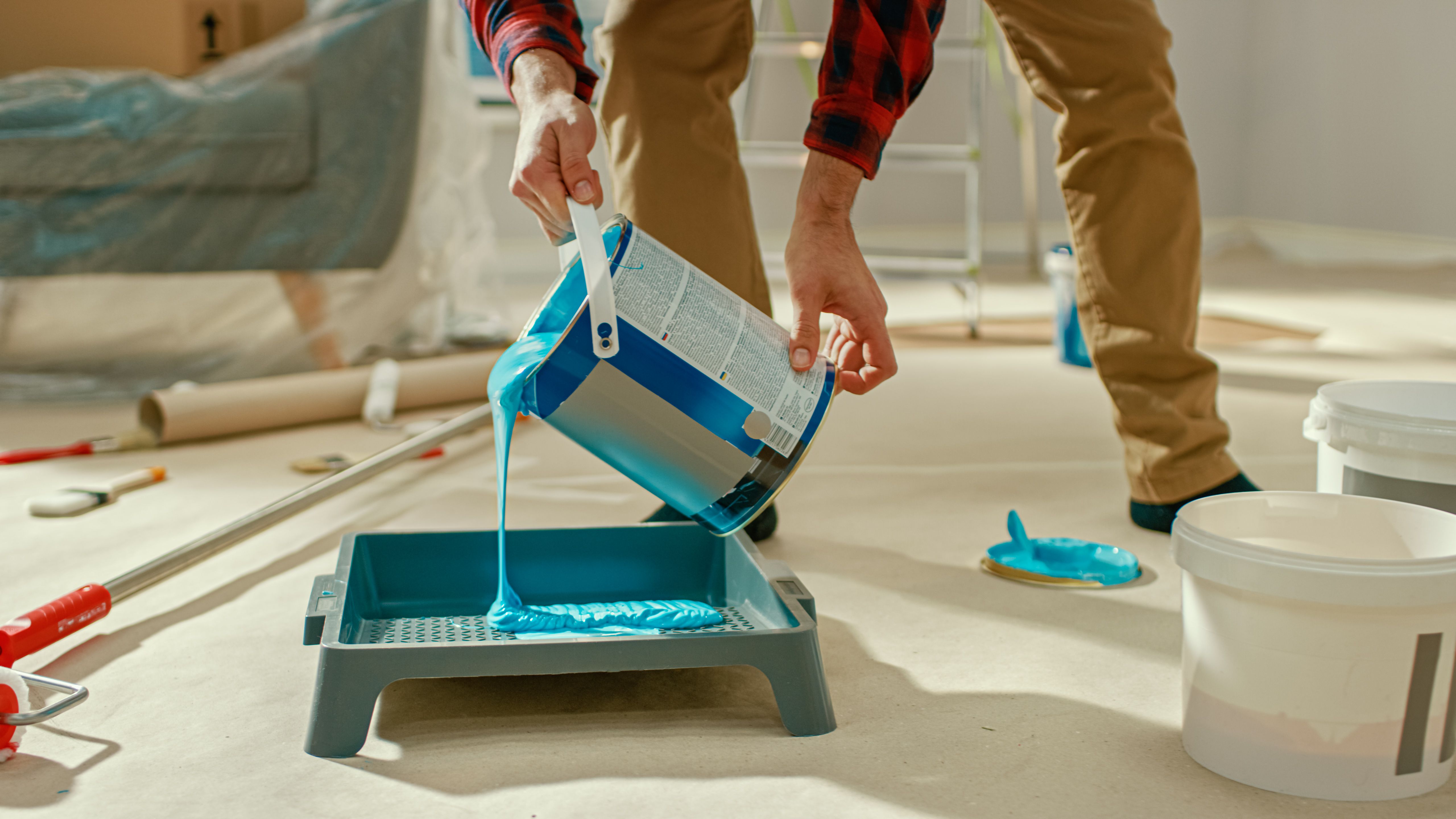
Choosing the wrong type of paint can lead to problems like poor coverage or an undesirable finish. For example, using interior paint on an exterior surface can lead to quick wear and tear.
Experts recommend selecting paint based on the room's use and environment. They might opt for mildew-resistant paint in bathrooms or kitchens and use high-durability options for high-traffic areas. This tailored approach ensures longevity and aesthetics.
Ignoring Primer
Many DIY enthusiasts skip the primer, thinking it's an unnecessary step. However, primer is crucial for achieving an even color and enhancing paint adhesion.
Professionals know that primer can make a significant difference, especially when covering dark colors with lighter shades. They apply one or two coats of primer to ensure the final color is vibrant and consistent.
Applying Paint Unevenly
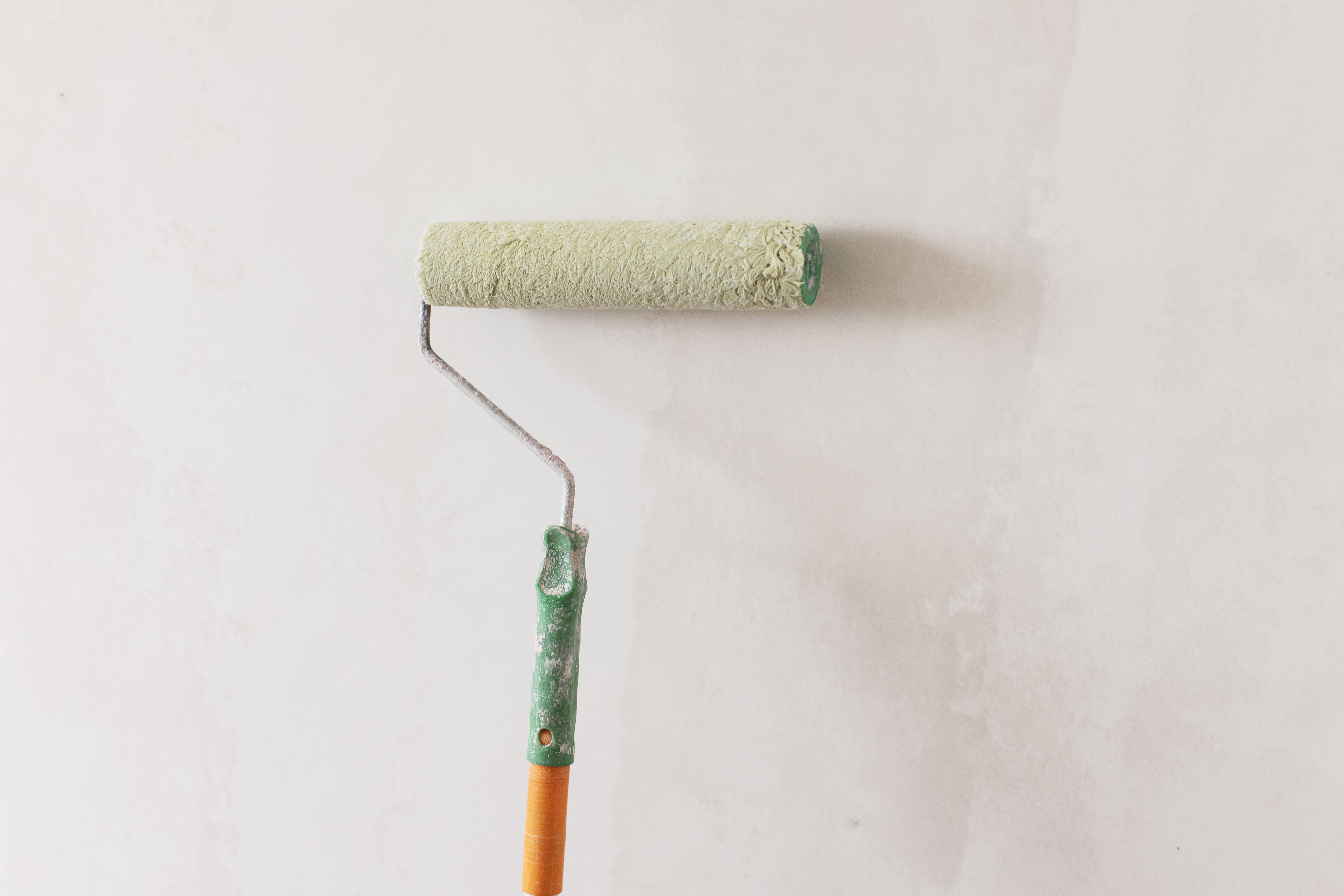
Uneven paint application can result in streaks and patches. This mistake often occurs when using a low-quality brush or roller or failing to maintain a wet edge while painting.
Professionals invest in high-quality tools and use techniques like the “W” or “M” pattern to apply paint evenly. They work in small sections and keep a wet edge, which helps blend the paint seamlessly across surfaces.
Overloading the Brush or Roller
Applying too much paint at once can lead to drips and a messy finish. It can also cause the paint to take longer to dry, extending the project timeline.
To avoid this, professionals dip only one-third of the brush or roller into the paint and tap off any excess. This method ensures a controlled application and reduces the chances of drips.

Conclusion
Avoiding these common painting mistakes can save time and frustration. By taking a page from the professionals' playbook, you can achieve a high-quality finish that enhances the beauty of your space. Remember, preparation and technique are key to a successful painting project.