5 Common Painting Mistakes and How to Avoid Them


Introduction
Painting a room can be a rewarding DIY project, but it's easy to make mistakes that can lead to frustration and unsatisfactory results. Whether you’re a seasoned DIY enthusiast or a beginner, knowing how to avoid common painting mistakes can save you time and effort.
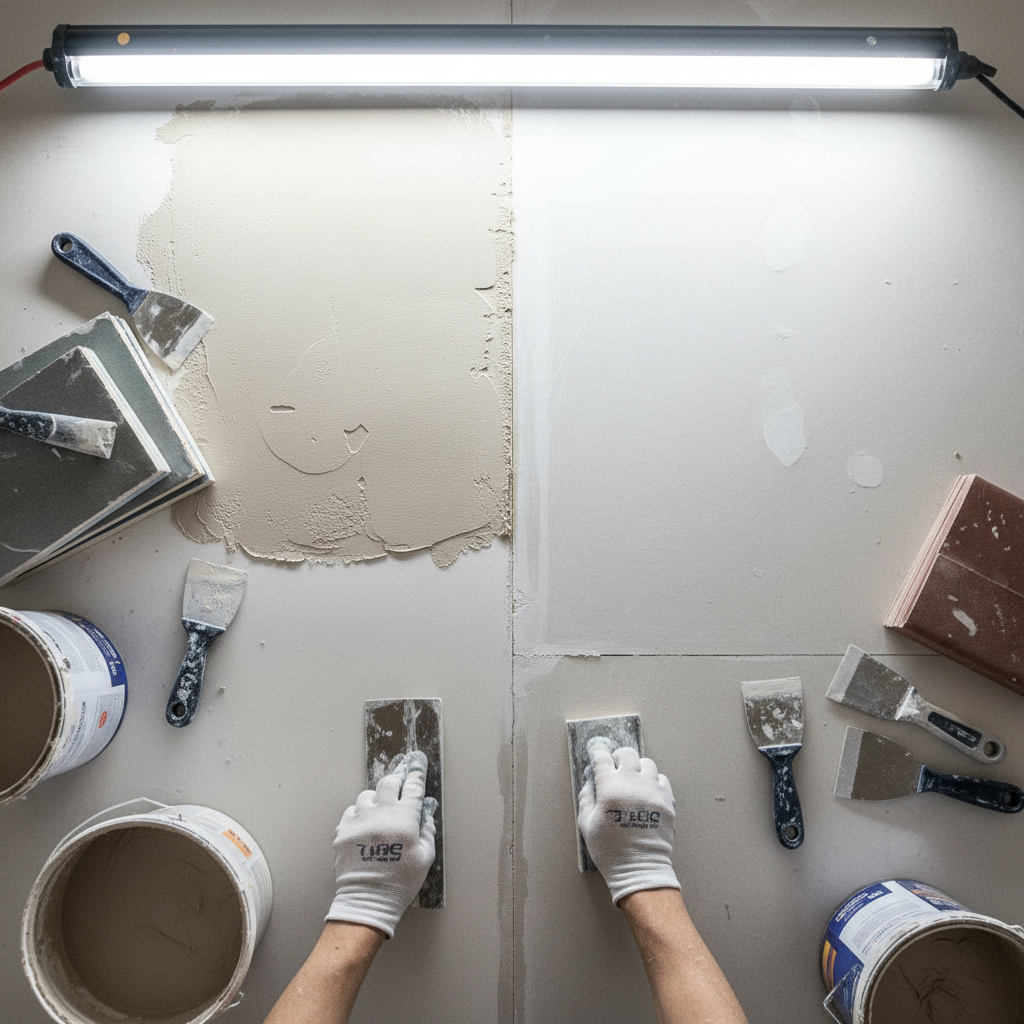
Not Preparing the Surface
One of the most common mistakes in painting is neglecting surface preparation. A clean, smooth surface is essential for a professional finish. Grease, dust, and other debris can prevent paint from adhering properly.
Solution: Always start by cleaning the walls with a mild detergent and water. Sand down any rough areas and fill in holes or cracks with spackle. This ensures a perfectly smooth surface for the paint to adhere to.
Choosing the Wrong Paint
Selecting the wrong type of paint for your project can lead to disappointment. Different areas require different types of paint, such as flat, satin, or gloss finishes.
Solution: Consider the function of the room and the surface when choosing paint. For high-traffic areas, a durable, washable paint like satin or semi-gloss is typically best. When in doubt, consult with a paint specialist.
Skipping the Primer
Primer is crucial for ensuring that your paint adheres well and lasts longer. It also helps cover stains and provides a uniform base for the paint color.
Solution: Always apply primer before painting, especially if you’re covering a dark color or painting on a new wall. Some paints come with primer mixed in, but a separate primer is usually more effective.
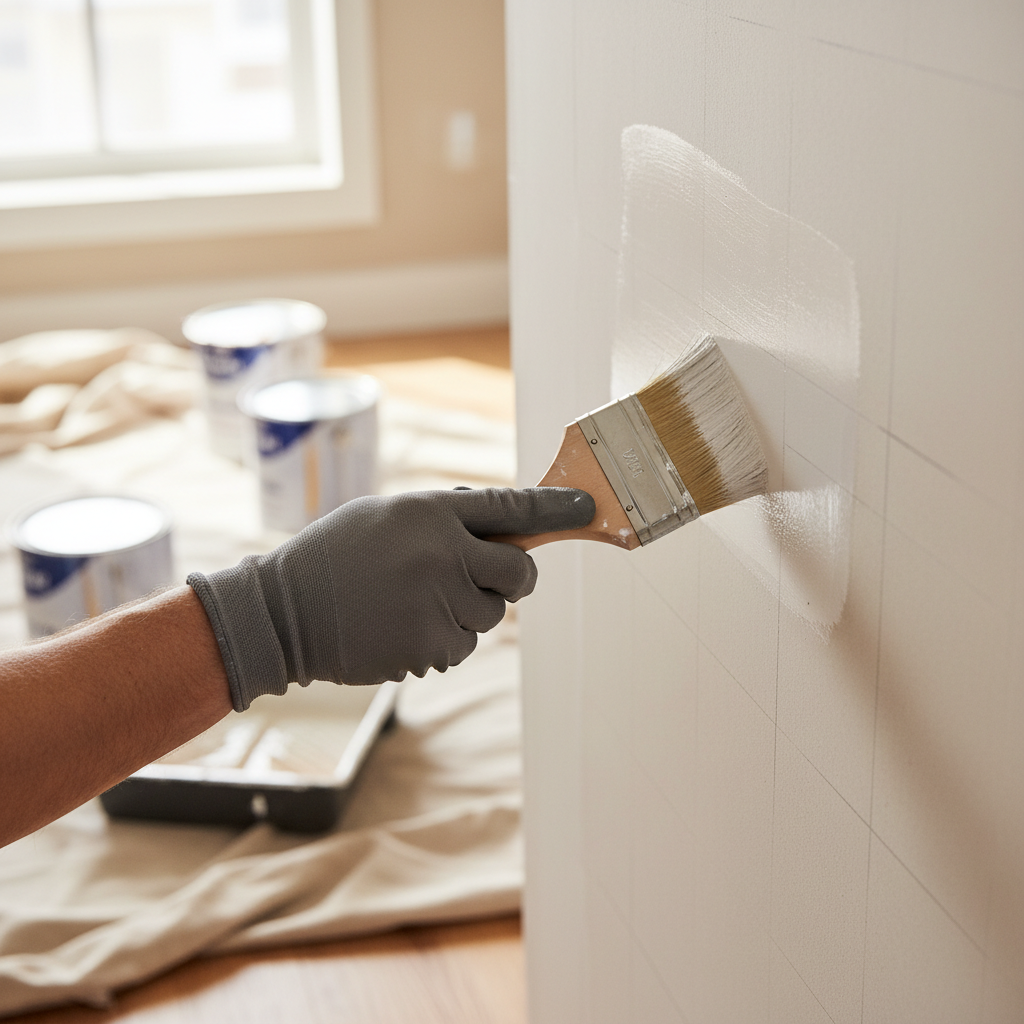
Applying Too Much or Too Little Paint
Applying paint too thickly can lead to drips and an uneven finish, while too little paint may require multiple coats and can result in streaks.
Solution: Use the right tools and techniques. A high-quality roller can help apply the paint evenly. Apply two thin coats instead of one thick one to achieve the best results.
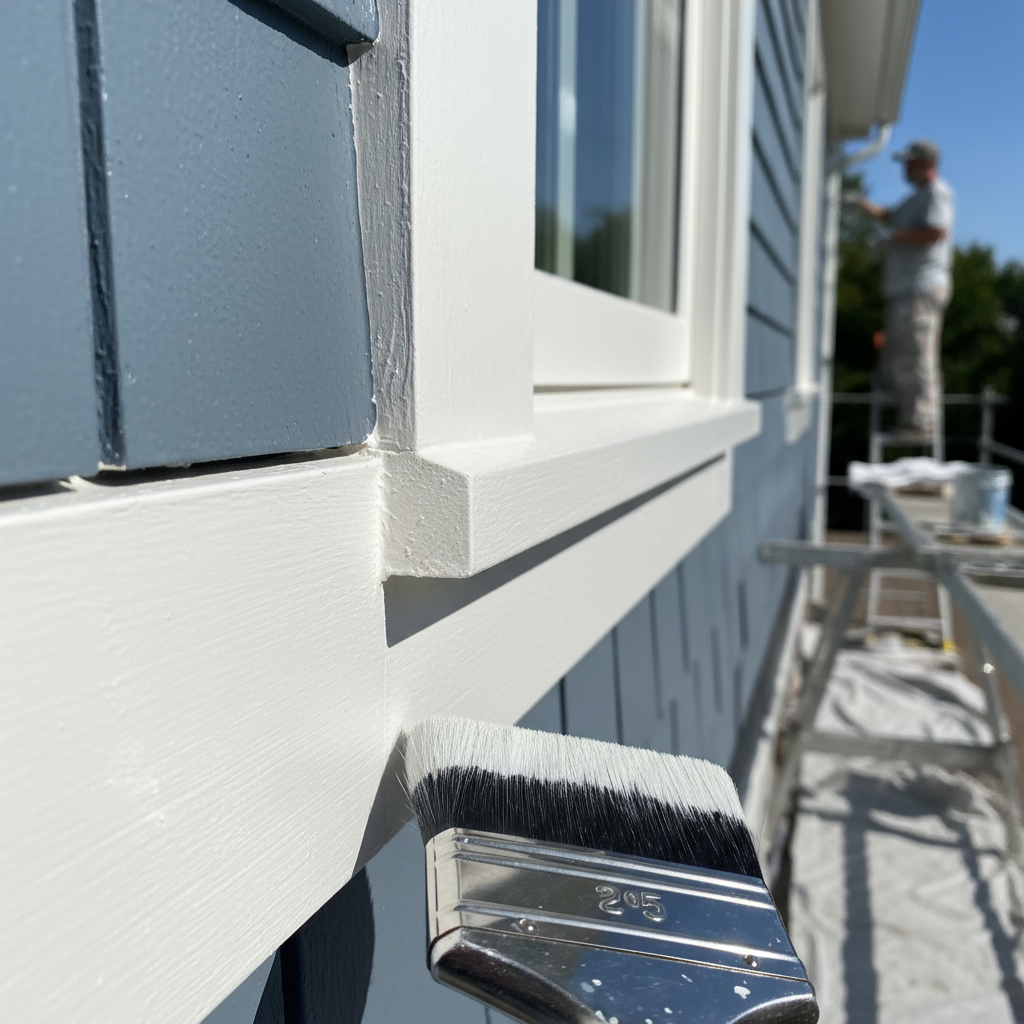
Ignoring the Weather
Weather conditions can significantly affect the drying time and finish of your paint. High humidity or cold temperatures can prolong drying times and affect adhesion.
Solution: Try to paint when the weather is dry and mild. If you must paint in less-than-ideal conditions, ensure proper ventilation and allow extra drying time between coats.
Conclusion
Avoiding these common painting mistakes can make your next project smoother and more successful. With the right preparation and techniques, you can achieve a professional-looking finish that enhances your space. Remember, patience and attention to detail are key to a beautiful result.