5 Common Painting Mistakes and How to Avoid Them


Introduction
Painting a room can transform your space, but it’s easy to make mistakes that can lead to a less-than-perfect finish. Whether you’re a seasoned DIY enthusiast or a beginner, avoiding these common painting mistakes will help you achieve a professional look.
Skipping the Prep Work
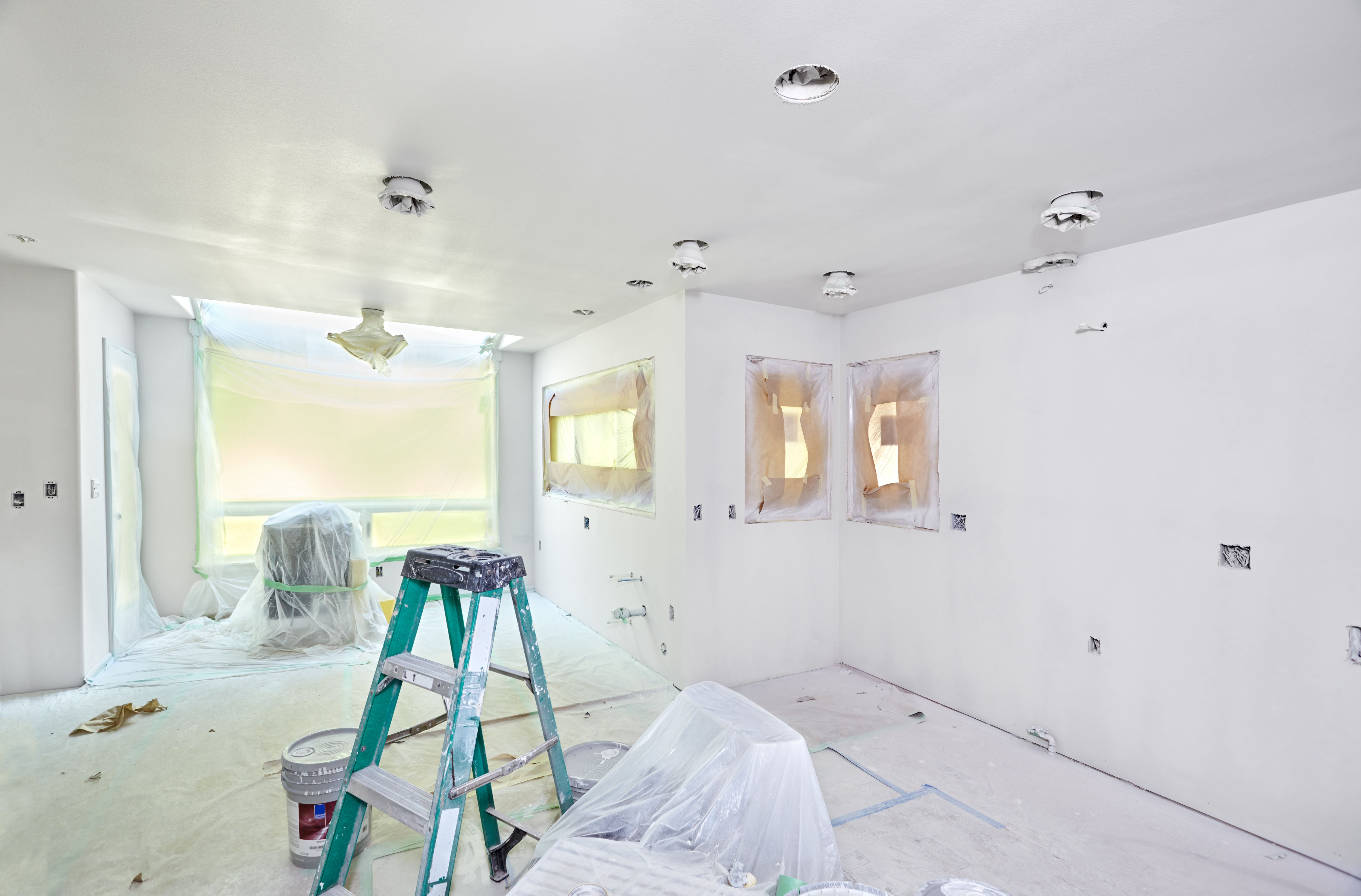
One of the most common mistakes is skipping the preparation phase. Proper prep work is crucial for a smooth finish. This includes cleaning the walls, sanding rough patches, and taping edges. Without these steps, paint may not adhere properly, leading to peeling and uneven surfaces.
How to Avoid It
Take the time to prepare your surface. Clean walls with a mild detergent, fill any holes or cracks, and sand rough areas. Use painter’s tape to protect trim and edges. A little extra effort in the beginning can save you from headaches later.
Choosing the Wrong Paint
Another frequent mistake is selecting the wrong type of paint for your project. Different surfaces require specific types of paint, and choosing incorrectly can result in poor coverage or durability.
How to Avoid It
Consult with a paint specialist to ensure you’re using the right product. Consider factors like the room’s function, the surface material, and the desired finish. For example, kitchens and bathrooms benefit from semi-gloss or satin finishes due to their moisture resistance.

Ignoring Primer
Skipping the primer can lead to uneven color and poor adhesion. Primer creates a base for paint, especially on new drywall or when covering dark colors.
How to Avoid It
Always use a primer when necessary. If you’re covering a dark wall with a lighter color or painting a porous surface, priming is essential. Some paints come with built-in primer, but double-check if it meets the needs of your specific project.
Overloading the Brush or Roller
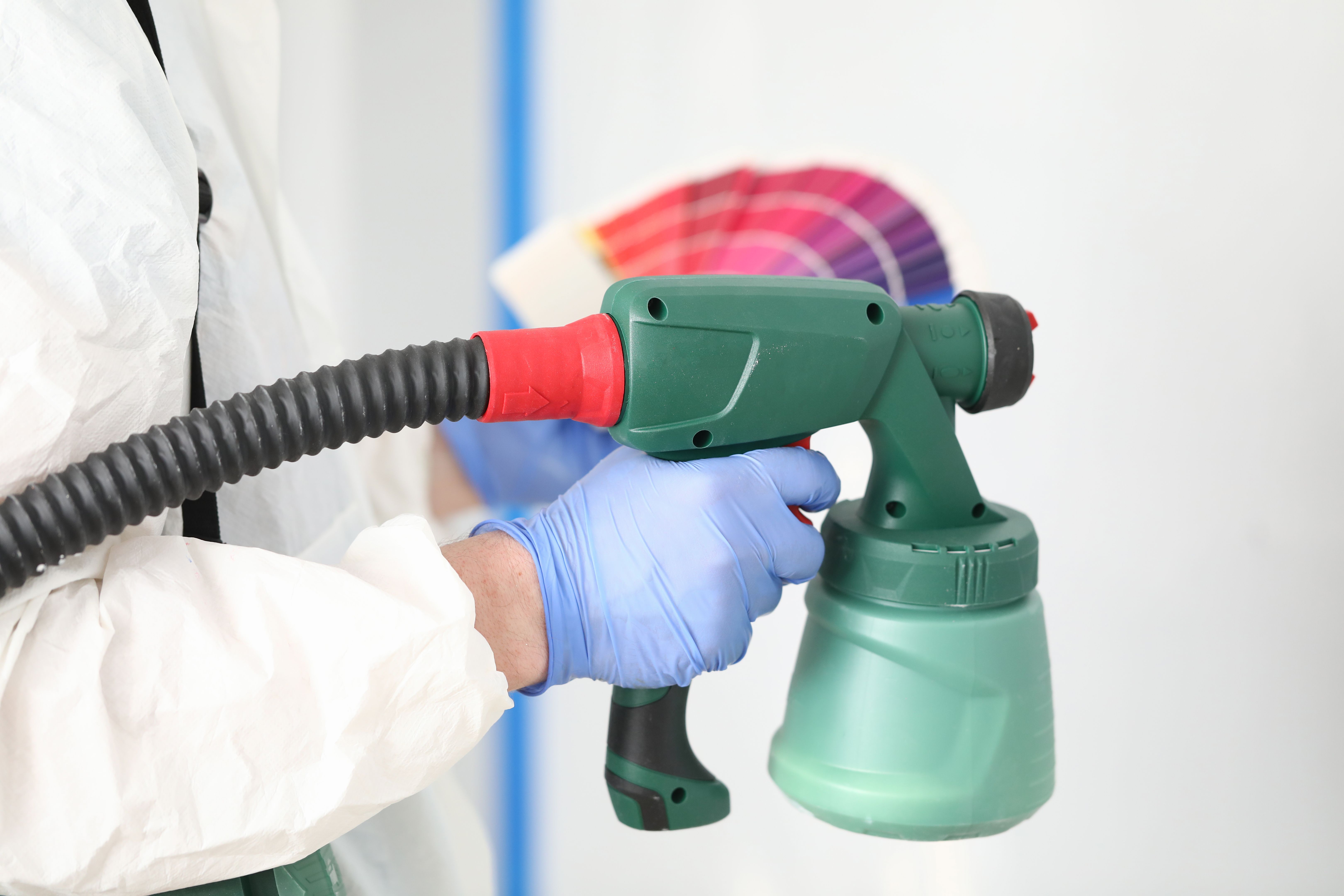
Applying too much paint at once is a common mistake that can cause drips and uneven layers. It’s tempting to load up your brush or roller to finish faster, but this often backfires.
How to Avoid It
Dip your brush or roller lightly and apply thin, even coats. It’s better to apply multiple thin layers than one thick one. This approach ensures a smooth finish and proper drying.
Rushing the Drying Process
Patience is key when painting. Rushing through the drying process can ruin your hard work, resulting in smudges and uneven texture.
How to Avoid It
Follow the manufacturer’s recommended drying times between coats. Use fans or dehumidifiers to help with air circulation, but avoid direct heat sources. Allow each coat to dry thoroughly before applying the next.
Conclusion
By avoiding these five common painting mistakes, you can ensure a professional-looking finish that you’ll be proud of. Remember, proper preparation, choosing the right materials, and taking your time are essential steps in any successful painting project.